
How to Make Confident Custom Home Decisions Without Feeling Overwhelmed by Choices
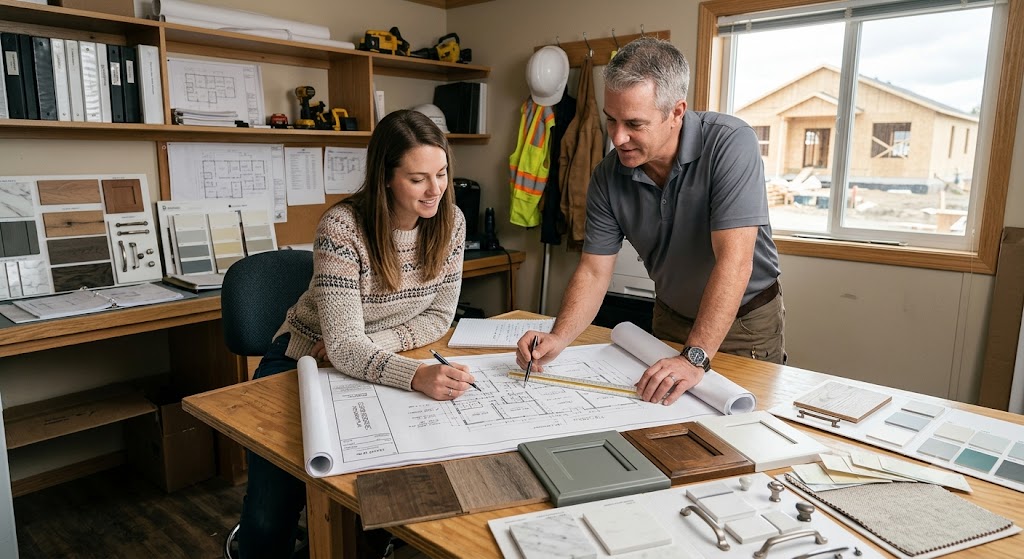
Building a custom home does not require making every decision at once. The best way to stay confident is to decide in stages, set clear priorities, understand which choices affect future construction, and use your builder’s experience to narrow options before you choose. A good decision process turns hundreds of selections into a manageable series of smaller decisions.
Start With How You Want To Live
A custom home should be shaped by daily habits before it is shaped by finishes. Start by listing what works in your current home, what causes problems, and what you wish you could change.
Think about the first hour of a normal weekday. Where do coats, bags, shoes, and keys go? Do you need a quiet place to work? Is the kitchen used mainly for quick meals or long family dinners? Do guests stay overnight? Will a bedroom need to serve another purpose later?
Group your answers into three categories: must have, would like, and not needed. Keep the first list short. If everything is a must-have, priorities are not clear enough yet.
Which Decisions Should You Make First?
The order of decisions matters because some choices affect many later choices. Floor plan, room sizes, structural details, window locations, plumbing layouts, electrical needs, and HVAC planning generally belong earlier than paint colors, cabinet hardware, or decorative fixtures.
A useful rule is to decide from the outside in and from permanent to replaceable. Site and structure come first. Then systems and room layouts. Then cabinets, flooring, lighting, plumbing fixtures, and finishes.
This order also helps protect the budget. Moving a wall after plans are complete can affect electrical, plumbing, flooring, cabinets, and construction time. Changing a faucet later is usually much simpler.
How Can You Turn Hundreds Of Choices Into A Shortlist?
Do not compare every available product. Ask your builder or designer to narrow each category to a few options that meet your budget, design goals, performance needs, and project schedule.
For example, instead of reviewing dozens of flooring products, establish three criteria: the rooms where the flooring will be used, the amount of wear it must handle, and the look you want. You can then compare a small number of suitable products rather than browsing an endless catalog.
Create one selection sheet with the item, preferred choice, alternate choice, budget allowance, decision deadline, and notes. NAHB construction documents specifically use selection allowances to organize fixtures, materials, and components, while change-order forms document changes to scope, price, and completion time.
Which Choices Deserve More Attention Than Others?
Spend the most thought on decisions that are expensive, difficult to change, or tied to several other parts of the house. These include the floor plan, room placement, window locations, storage, electrical layout, plumbing rough-ins, insulation, HVAC, and major structural features.
Give less decision time to items that are easy to replace. Cabinet pulls, light fixtures, mirrors, and some paint colors can usually be changed without rebuilding a room.
What Should You Know About Energy And Comfort Choices?
Energy-related decisions should be made during design, not treated as decorative upgrades at the end. Insulation, windows, air sealing, HVAC sizing, duct design, ventilation, and water management work together as part of the home’s performance.
ENERGY STAR’s new-home process calls for design-stage review of items such as insulation, windows, HVAC design, and water management before construction, with inspections later in the build. That is a useful reminder that comfort is partly designed into the house before drywall covers the work.
Window selection is a good example. Size and location affect daylight, views, furniture placement, heating and cooling loads, and the exterior appearance. The U.S. Department of Energy also identifies windows as a meaningful part of building energy performance.
How Do You Keep Your Budget From Driving Every Decision?
Set the total project budget before getting attached to individual finishes. Then separate the budget into broad categories such as site work, structure, mechanical systems, cabinetry, flooring, appliances, lighting, landscaping, and allowances.
Do not treat an allowance as the final cost. An allowance is a budget amount assigned to a selection; the actual choice may cost more or less. Ask what is included in each allowance, what installation covers, and what happens if you choose an item above the allowance.
Also ask how changes are handled. NAHB’s contract materials include separate documents for pricing requests and change orders, reflecting how changes can affect both cost and completion time. Get those effects in writing before approving a change.
When Should You Stop Researching?
Research should end when you have enough information to make a sound choice, not when you have seen every possible option. More browsing can create false uncertainty because you keep discovering alternatives that are only slightly different.
Set a decision deadline. Before that date, compare your shortlist against three things: your priorities, your budget, and the technical requirements of the home. If one option clearly meets all three, choose it.
How Can Your Builder Make Decisions Easier?
A skilled builder should not simply hand you a catalog and ask you to choose. The builder should explain what matters, identify conflicts between choices, clarify costs, and help you understand which decisions need to happen first.
Ask your builder:
- Which decisions affect the floor plan or construction schedule?
- Which selections have long lead times?
- What is included in the base price or allowance?
- What changes are expensive after construction begins?
- Which choices affect energy use, comfort, or maintenance?
- What decisions need an architect, designer, or trade contractor?
For a custom home in Kansas City, local experience can also help when evaluating practical design issues such as seasonal comfort, site conditions, basement planning, and exterior materials.
What Are Common Custom Home Decision Mistakes?
One common mistake is choosing finishes before confirming the floor plan. A beautiful kitchen package cannot solve a layout that does not fit how you cook, move, store items, or entertain.
Another mistake is focusing only on the purchase price of a product. Consider installation, maintenance, expected lifespan, energy use, replacement difficulty, and compatibility with other selections.
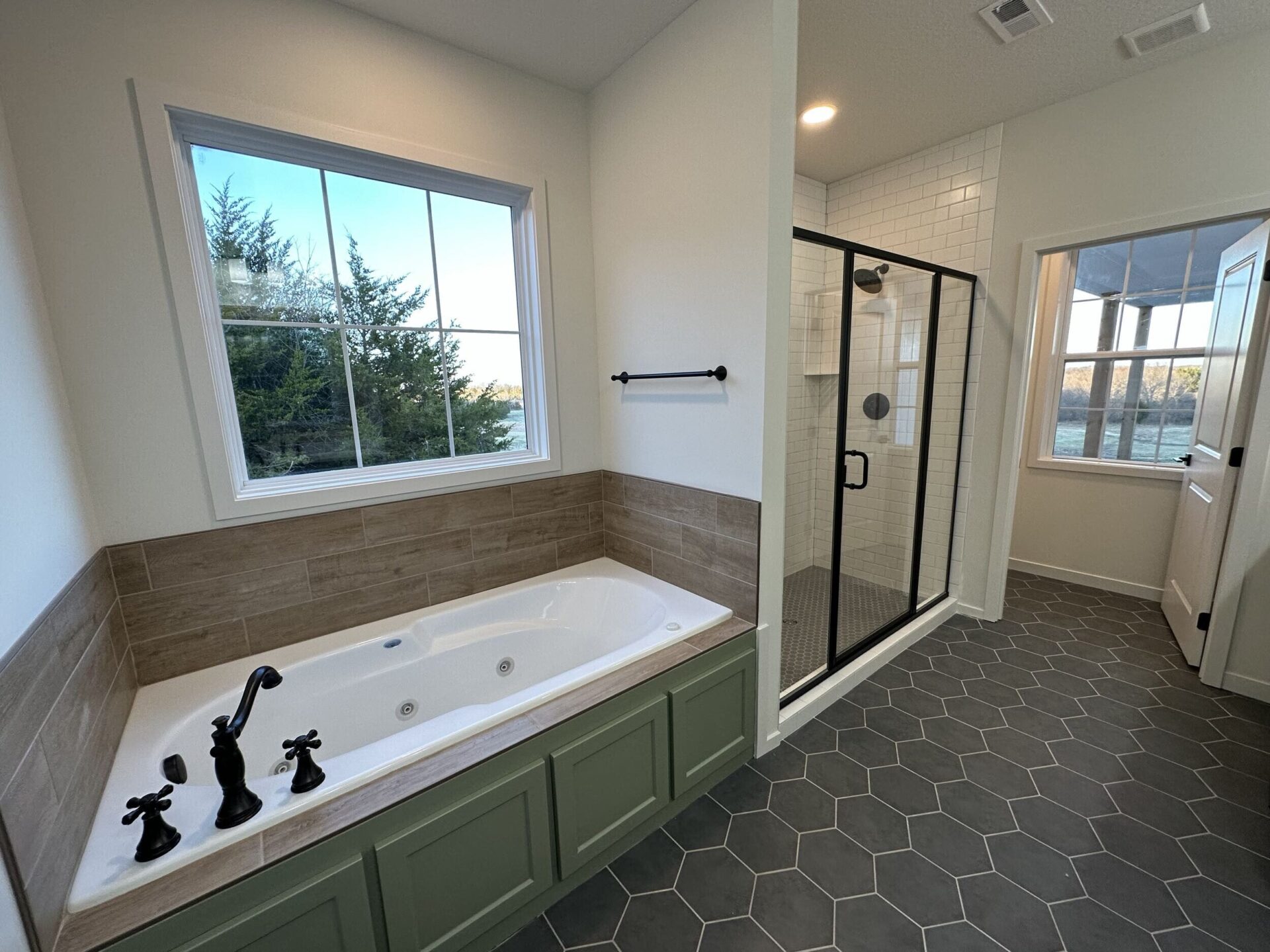
Finally, do not let social media set your priorities. A room that photographs well may not match your storage needs, cleaning habits, family routines, or budget. Use inspiration images to explain what you like, then let the actual house plan guide the decision.
How Do You Know When A Decision Is Good Enough?
A good custom-home decision does not have to be perfect. It needs to meet the purpose of the space, fit the agreed budget, work with the construction plan, and support how you expect to live.
When two choices perform about the same, choose the one you prefer and move forward. Spending another week comparing nearly identical options rarely creates the same value as resolving a major layout or system question.
The best result is a home where the important decisions were made thoughtfully and the smaller decisions did not consume all your energy.
People Also Ask
How Many Decisions Do You Make When Building A Custom Home?
The number varies by project, but a custom home can involve decisions about plans, materials, systems, fixtures, appliances, colors, finishes, and exterior details. The exact number matters less than having a process that groups decisions by stage and importance.
What Is The Biggest Mistake When Building A Custom Home?
A major mistake is making decisions without understanding how they affect the budget, schedule, or other parts of the home. Clear plans, documented selections, and early communication can reduce costly changes later.
Should You Choose Finishes Before The Floor Plan Is Final?
Usually, no. The floor plan and major systems should be established first because they can determine room dimensions, cabinet layouts, lighting locations, plumbing points, and other details that influence finish selections.
How Can A Custom Home Builder Help With Selections?
A builder can explain construction requirements, available options, allowances, lead times, and the effect of changes. The builder can also coordinate decisions among designers, architects, and trade contractors so choices work together.
Is A Custom Home Worth The Extra Decisions?
For many homeowners, customization is valuable because the home can be designed around specific routines, space needs, and long-term plans. The process becomes easier when the homeowner focuses on priorities instead of trying to evaluate every option available.
Make Custom Home Decisions With A Clear Plan
Confident custom home decisions come from a clear order of priorities, a realistic budget, focused research, and early communication with the people building the home. When each choice is handled at the right stage, the process becomes easier to manage without losing the personal details that make a custom home worthwhile.
Century Homes helps Kansas City homeowners move from plans and ideas to a finished home through a collaborative process that includes custom home building, design coordination, remodeling, and basement finishing. Contact us to discuss your goals and create a practical path from your first ideas to the home you want to live in.